Dyestuff industry experts
ITMA AISA 2026



- Home
- About
- Online Q & A
- Products
- Applications
- Solution
- Service
- Our Brand
- Info
- Contact
Views: 7 Author: Site Editor Publish Time: 2026-08-27 Origin: Site


Have you ever taken your freshly dyed fabric out of the wash, only to see dull, faded colors instead of the bright shades you wanted? You did everything right. You measured the dye carefully. Still, the result lets you down.
The key to bright colors with reactive dyes comes down to three main things: getting the fabric ready, using the right water, and adding soda ash correctly. Get these right, and your dyeing process changes completely.
You can get pro-level results at home with these five simple tips. They work with all fiber reactive dyes, including well-known brands like Skyzol®. Start with small test pieces before dyeing a whole batch. This saves time and supplies while you improve your skills. Dyeing fabric becomes easy and fun when you know the basics. Dyeing with fiber-reactive dyes rewards patience and careful work.
Wash the fabric first in hot water with a scouring agent to get rid of oils and waxes, so the dye can soak in better.
Use distilled water and keep the pH between 10.5 and 11.2 with soda ash for the best dye bonding.
Mix dye powder into a paste with warm water before adding to the dye bath to avoid uneven color.
Soak the fabric in a soda ash solution for 30 to 60 minutes. This helps the color go deep and stay bright.
Wash dyed fabric using cold water and a pH-neutral detergent to keep the color locked in and stop it from fading.
Natural fibers like cotton come with a hidden layer of protection. During processing, makers add waxes, oils, and other leftovers to help the fibers move through spinning and weaving machines. These substances stay on the fabric surface after you buy it. They act like a wall between the dye molecules and the cotton fibers underneath.
When you skip the pre-wash, your reactive dyes cannot reach the fiber core. The color sits on top of the wall instead of bonding deeply. The result looks pale, uneven, and easily washes away. Scouring removes these natural and added impurities completely. It opens up the fiber structure so dye molecules can go in fully and form strong chemical bonds.
TIANKUN CHEM's customer stories show this idea in action. A well-known dye trader in Morocco faced quality complaints from end customers despite using premium dyes. The problem was not the dye itself. The fabric preparation step was not the same across different batches. Once the trader made scouring steps the same every time, the same dyes produced clearly brighter and more even results. Consistent quality starts with proper preparation, not with the dye brand.
You need hot water and a scouring agent for effective pre-washing. Plain detergent helps, but a dedicated scouring agent works better at removing waxes and oils. Fill your washing machine or large bucket with hot water, around 140°F to 160°F. Add the scouring agent according to the product instructions. Put your fabric fully in the water and let it soak for at least 30 minutes.
After soaking, rinse the fabric well with warm water until the water runs clear. This step removes the loosened impurities and any leftover scouring agent. Then wash the fabric once more with a mild detergent to make sure it is fully clean. Do not use fabric softeners during this process. Softeners add new coatings that block dye absorption, undoing all your scouring work.
You can also add a small amount of soda ash to the pre-wash bath. This helps balance any acidic residues and gets the fiber ready for the alkaline environment needed during dyeing. Dry the fabric completely before storing it. Pre-washed fabric stays ready for dyeing for several weeks if you keep it in a clean, dry place.
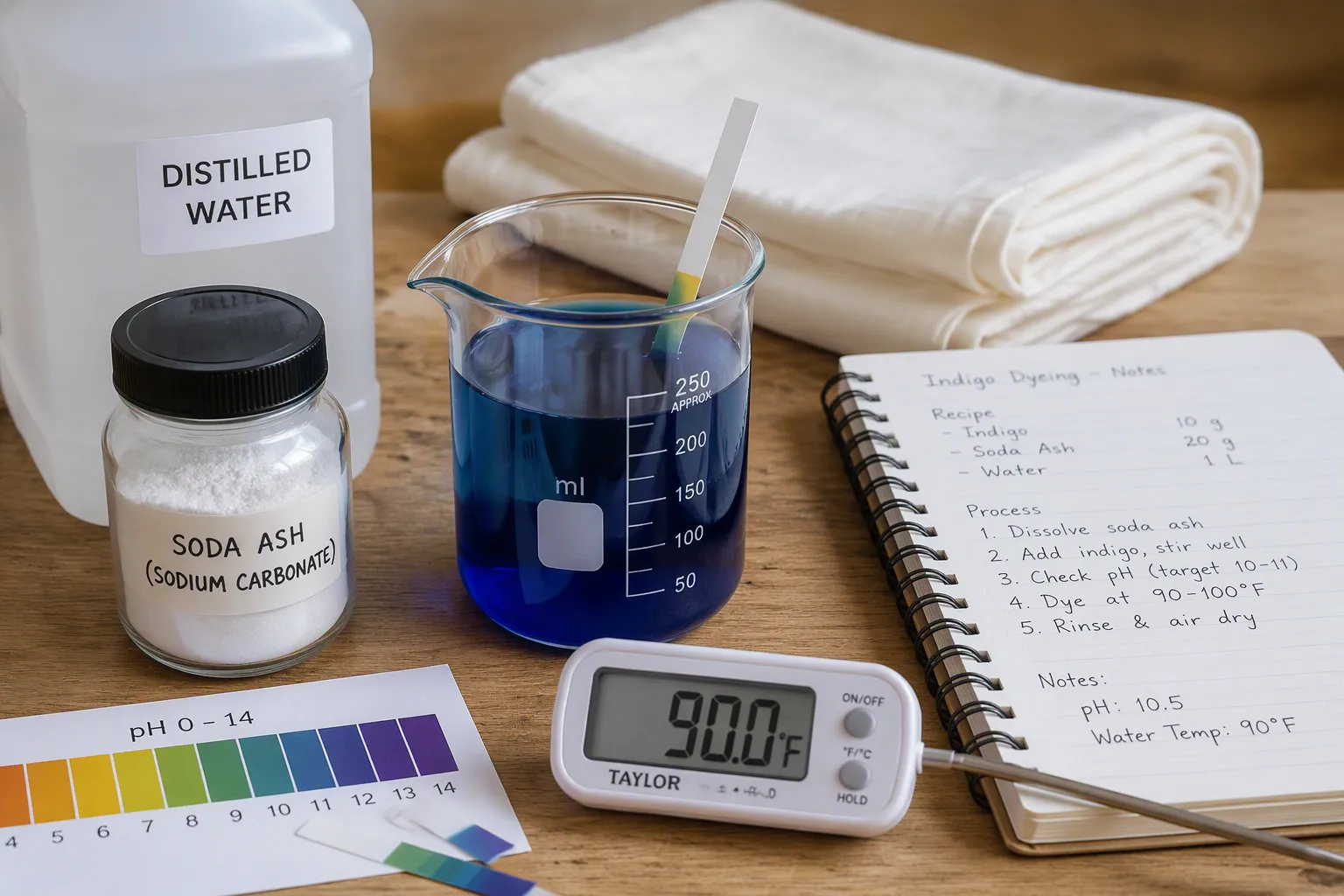
Fiber reactive dyes need a specific chemical environment to bond with cotton. The optimal pH range for reactive dyeing of cellulose fibers sits between 10.5 and 11.2. This alkaline condition promotes ionization of the cellulose hydroxyl groups to O⁻. That ionization is essential for the nucleophilic substitution reaction with reactive dyes. It enables strong covalent bonds between dye and fiber. Without this pH level, the dye cannot fix properly. You end up with pale colors that wash out quickly.
Soda ash raises the pH of your dye bath to this ideal range. You can also use other alkalis, but soda ash remains the standard choice for home dyers. Temperature plays a supporting role here. Higher temperatures speed up the chemical reaction between dye and fiber. Lower temperatures slow it down. Most reactive dye instructions recommend warm water, around 80°F to 105°F, for the dyeing process. You should always follow the specific temperature guidance that comes with your dye brand. Different dyes may require different conditions for optimal results.
Water quality affects your final color more than most beginners realize. Hard water contains dissolved minerals, primarily calcium and magnesium. These minerals interfere with the dyeing process in several ways. They can react with the dye molecules before the dye reaches the fabric. They also compete with the dye for bonding sites on the cotton fibers. The result is dull, uneven color that lacks the vibrancy you want.
Factor | Effect on Color Fastness | Mitigation |
|---|---|---|
Hard water (calcium & magnesium) | Contributes to color fading; reduces vibrancy (e.g., cotton loses color intensity) | Water softening techniques restore color integrity |
You can test your tap water hardness with simple test strips from a hardware store. If you have hard water, switch to distilled water for your dyeing projects. Distilled water contains no minerals, so it provides a clean environment for the dye to bond. Alternatively, you can install a water softener or use a commercial water conditioner. These options remove or neutralize the minerals that cause problems. Many experienced dyers keep a jug of distilled water specifically for their dye projects. This simple change often produces noticeably brighter results with the same amount of dye. Your reactive dyes will perform consistently when you control the water chemistry from the start.
Getting the dye amount right is the key to a bright color instead of a weak one. The mix of dye powder and water directly controls how strong the color is. Too much water makes the color weak and pale. Too little water causes uneven spots and streaks that ruin the fabric.
Most reactive dyes use a simple stock solution ratio. For most colors, mix 4 tablespoons of dye powder with 16 ounces of water. Turquoise and colors with turquoise need more pigment, so double the powder to 8 tablespoons. Black needs even more, using 12 tablespoons of powder for the same 16 ounces of water. These ratios make a strong stock solution. You can add more water to this solution to get lighter shades.
Always check the instructions for your specific dye brand. Different brands may have slightly different recommendations. The table below shows the standard ratios for Skyzol® Reactive Dyes:
Dye Color | Dye Powder (tablespoons) | Water (ounces) |
|---|---|---|
Most colors | 4 | 16 |
Turquoise (and colors containing turquoise) | 8 | 16 |
Black | 12 | 16 |
Making a dye bath starts with the right dissolving method. You cannot just dump dye powder into your dye bath and hope it works. Dry powder clumps when it hits water, leaving tiny specks that create dark spots on your fabric.
The right way involves two steps. First, measure your dye powder into a small container. Add a little warm water, just enough to make a thick paste. Stir well until every grain of powder dissolves completely. This step stops clumping and helps the dye spread evenly.
Second, add this thick paste to your full dye bath while stirring all the time. Warm water helps the dye dissolve faster and better than cold water. You should see a smooth, even color with no floating bits. If you see any undissolved powder, strain the mix through a fine mesh before adding your fabric.
TIANKUN CHEM's Skyzol® Reactive Dyes are made for high color yield and brightness. Their fine powder dissolves quickly and fully, making them a great choice for bright results. When you master the mixing process, dyeing with fiber-reactive dyes becomes easy and reliable. Every batch gives consistent, professional-looking colors that stay bright through many washes.
Soda ash, also called sodium carbonate, is the key chemical that makes dyeing work. Without it, your fiber reactive dyes cannot bond with the fabric. The dye needs a highly alkaline environment to attach to cotton fibers. Soda ash raises the pH of your fabric to the right level, usually around 10-11. This alkaline condition starts the chemical reaction that makes the color permanent.
Soda ash, also known as Sodium Carbonate, raises the pH level. A higher pH lets the dye bond permanently with the fabric. That is why people call it a 'fixer'.
The science is simple. When the environment is alkaline, the cellulose fibers in cotton become ionized. This change turns the fibers into reactive sites that can form strong covalent bonds with the dye molecules. Think of it as unlocking a door. The soda ash unlocks the fiber's ability to accept and hold the dye permanently. Without this step, the dye only coats the surface. Your colors wash out quickly and look pale. With proper soda ash use, you get permanent color results that stay vibrant through many washes.
You have two effective ways to apply soda ash. The first way is to pre-treat your fabric before dyeing. The second way is to add soda ash directly to your dye bath after the fabric has absorbed the dye. Both ways work well, but pre-treating gives you more control over the final color.
For pre-treating, follow this simple process:
Mix 1 cup of soda ash into 1 gallon of warm water.
Soak your fabric in the solution for at least 20 minutes.
Wring it out so it's damp but not dripping.
Proceed to fold and dye as usual.
The soak time directly affects your color intensity. For lighter shades, 30 minutes of soaking works well. For deeper, more vibrant colors, extend the soak to a full hour. This extra time allows the soda ash to penetrate deeply into the fiber structure. The result is a more complete chemical reaction and richer color payoff.
Skyzol® Reactive Dyes from TIANKUN CHEM work best with soda ash. These dyes deliver excellent wash and light fastness when you follow the correct soda ash procedure. Dyeing with fiber-reactive dyes becomes predictable when you master this step. Your efforts produce long-lasting colors that resist fading. Your fabric maintains its brilliance through repeated washing and everyday wear. The magic of soda ash transforms ordinary dyeing into a reliable craft that yields long-lasting colors every time.
When you finish dyeing, let the fabric stay in the dye bath for at least one hour. This extra time lets the chemical reaction finish completely. The dye molecules need this time to make strong bonds with the cotton fibers. If you rinse too early, you stop this process and wash away dye that hasn't fixed yet. A longer soak also saves water because you don't need an extra rinse.
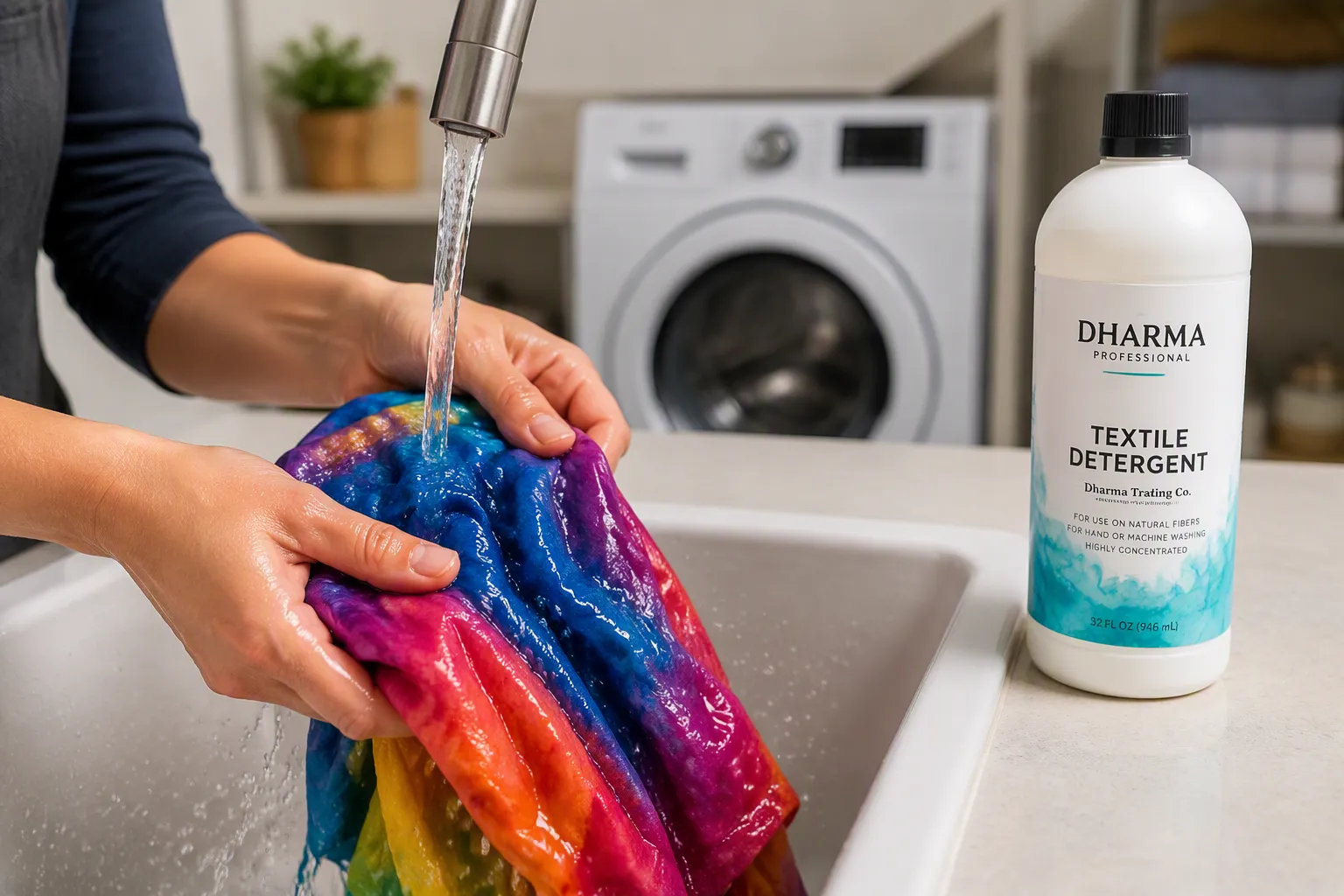
The first wash after rinsing decides how well your color stays. Use cold water and a mild, pH-neutral detergent for this step. Dharma's Professional Textile Detergent works very well. Its pH-neutral formula stops extra dye from sticking back to the fabric. This keeps the color from looking blotchy or uneven. Synthrapol is another good choice for the same reason. Both detergents take off loose dye without removing the color you worked hard to get.
Do not use harsh detergents, bleach, or fabric softeners for this first wash. These products break the chemical bonds between dye and fiber. Your bright color becomes dull and weak. Run the washing machine on a hot cycle with the pH-neutral detergent. This removes all unfixed dye while keeping the color that has bonded well.
Your dyed fabric needs regular care to keep its brightness. Wash reactive dyed items alone for the first few washes. This stops color from rubbing off and protects your new fabric and other clothes. Always use cold water for later washes. Hot water slowly weakens the dye-fiber bonds and makes fading happen faster.
Do not let your fabric stay in the sun too long when drying. Direct sunlight breaks down dye molecules over time, even with good fiber reactive dyes. Hang your items in the shade or dry them inside. This simple habit keeps your colors rich for years.
Reactive dyes give better colorfastness than pigment dyes. The strong bonds they make with cotton fibers hold up to washing and wear. But proper care makes them last even longer. Keep dyed fabrics away from bright light when not using them. Fold them gently to avoid creases that can hurt the fibers.
With these five tips, you get long-lasting colors that are as good as professional results. Pre-washing, water chemistry, proper mixing, soda ash, and careful after-care all work together. Each step builds on the one before. Your dyeing projects go from unpredictable experiments to reliable successes. The joy of taking out a brightly colored fabric from the wash never gets old. Try your next project with confidence and enjoy the vibrant results.
These five steps work together like a chain. Pre-washing opens the fibers. Water chemistry creates the right environment. Proper mixing ensures even distribution. Soda ash locks the bond. Post-care protects your work. Each step builds on the last, turning reactive dyes into long-lasting colors on your custom fabrics.
Don't fear mistakes. Every dyer produces imperfect results sometimes. Those unique patterns often become favorites. Practice builds skill, and skill builds confidence.
Grab your supplies and start your next project today. With quality fiber reactive dyes like Skyzol® from TIANKUN CHEM, success comes easier. Share your vibrant creations with fellow dyers. Your perfect shade awaits.
Hard water minerals can dull your colors. Test your tap water with a simple hardness strip. If you have hard water, switch to distilled water for brighter results with your reactive dyes.
Soak for 30 minutes for lighter shades. Extend to one hour for deeper, more vibrant colors. Longer soak time allows better penetration into the fibers.
Uneven color usually means your dye powder did not dissolve fully. Always create a paste first with warm water. Run test swatches to check your mixing method before dyeing larger pieces.
No. These dyes exhaust, meaning they bond with the fabric and leave the bath. A used bath contains little active dye. Fresh dye solution gives you consistent, vibrant results every time.
Use cold water and a pH-neutral detergent. This removes loose dye without stripping the color that bonded to the fiber. Wash separately for the first few cycles. Fiber reactive dyes create strong bonds when you care for them properly.