Dyestuff industry experts
ITMA AISA 2026



- Home
- About
- Online Q & A
- Products
- Applications
- Solution
- Service
- Our Brand
- Info
- Contact
Views: 4 Author: Site Editor Publish Time: 2026-08-04 Origin: Site


You can use this Textile Auxiliaries Glossary as a fast and trustworthy guide for important words in the textile industry. Knowing about auxiliaries is important because they help you get even color, make clothes work better, and help factories run smoothly.
Auxiliaries give bright colors and strength to fabrics.
They help make production better and support eco-friendly choices.
Special auxiliaries let you make different textiles for many uses.
This glossary gives simple meanings for easy use. TIANKUN CHEM, a trusted company, gives new ideas like disperse dyes. If you have questions or want to add new words, you can share them.
Textile auxiliaries make fabric better by improving color, strength, and how it works. Wetting agents get fabric ready for dyeing by helping it soak up water evenly. Detergents clean fabric well, so dye sticks better and colors look bright. Emulsifiers mix oil and water, so textiles get cleaned and prepared well. Sequestering agents stop metal ions from making stains during dyeing. Dye fixing agents keep color in the fabric, so it stays bright after washing. Using sustainable auxiliaries helps the environment and makes good textiles. Knowing what each auxiliary does can help make better products and keep customers happy.
Wetting agents help water spread over fabric. They make water move into fibers fast. This helps the fabric soak up water evenly. It gets the fabric ready for dyeing and finishing. Wetting agents clean off dirt and oils. You use them at the start of making textiles. Clean and absorbent fabric gives bright colors and smooth feel.
Tip: Wetting agents help fabric take in dye evenly and keep color shades the same.
Detergents are important for cleaning fabric. They remove oils, waxes, and other things from fabric. Detergents break down and wash away these substances. Clean fabric lets dye stick better and gives even results. Detergents stop stains and keep fabric soft. You can use detergents on cotton, polyester, and other fabrics. Cleaning fabric well gives a good base for dyeing and finishing. Detergents help your clothes look fresh and feel nice.
Detergents help with:
Taking away natural oils and waxes
Removing dirt and dust
Getting fabric ready for more treatment
Emulsifiers mix things like oil and water that do not blend. They keep oils and dirt floating in water so you can wash them out. Emulsifiers are used for deep cleaning fabric. They help fabric stay free from sticky stuff. Using emulsifiers makes fabric soak up water better and get ready for dyeing. This step helps your clothes have bright and even colors.
Common emulsifiers in textile work are:
Nonionic emulsifiers for gentle cleaning
Anionic emulsifiers for strong cleaning
Pretreatment agents get fabric ready for dyeing and finishing. These agents help make fabric clean, absorbent, and ready for dye. Wetting, cleaning, and emulsifying each help make textiles better.
Sequestering agents help take away metal ions from water and fabric. Metal ions like calcium and magnesium can cause problems. If you leave them, they may react with soaps or dyes. This can make stains on fabric. Sequestering agents trap these ions. They stop them from causing trouble. You use these agents when washing or scouring. This keeps fabric clean and ready for the next step.
Note: Sequestering agents help stop spots and uneven color when dyeing.
Desizing agents help remove size materials from fabric. Size is a sticky stuff put on yarns before weaving. It protects yarn and makes weaving easier. After weaving, you need to take off the size. This lets fabric soak up water and dye. Desizing agents break down the size and wash it away. You can use enzymes, acids, or oxidizing chemicals as desizing agents. Removing size makes fabric soft and ready for dyeing or printing.
Main benefits of desizing agents:
Make fabric soak up water better
Help dyeing work well
Stop stains and rough fabric
[Enzyme auxiliaries use natural proteins] called enzymes to clean and treat fabric. These enzymes break down things like starch, oils, or tiny fibers. You often use enzyme auxiliaries for desizing or bio-polishing. They work at gentle temperatures and do not hurt fabric. Enzyme auxiliaries help make fabric smooth and soft. They also help fabric soak up water and get ready for dyeing.
Tip: Enzyme auxiliaries are good for the environment. They help save water and energy. They make fabric look and feel better.
You use sequestering agents, desizing agents, and enzyme auxiliaries to get fabric ready for the next steps. These agents help you get clean, soft, and absorbent fabric. When you use them, your fabric takes up dye evenly and looks great.
Disperse dyes are used to color synthetic fibers like polyester. These dyes give fabric bright colors that last a long time. Skycron® Disperse Dyes from TIANKUN CHEM are special because they keep color strong and bright. They work well when you dye fabric at high temperatures. This helps you get the same color on lots of fabric.
If you use disperse dyes, your fabric will not fade easily. It stays looking new after washing and being in the sun. Disperse dyes help factories work faster because they spread color evenly. This means fewer mistakes when dyeing. Skycron® Disperse Dyes are safe for the environment. They are a good choice for making textiles in a green way.
Tip: Disperse dyes are great for making clothes like sportswear and fashion items that need strong colors.
Leveling agents help you get smooth color on fabric. They control how fast dye goes into fibers. Without leveling agents, you might see streaks or uneven color. Leveling agents slow down dyeing so color spreads evenly.
You use leveling agents to stop patchy results. They are important when dyeing lots of fabric at once. Leveling agents also help with fabrics made from different fibers. Using them makes your textiles look better and feel nicer.
Leveling agents:
Keep color even on fabric
Stop dyeing mistakes
Make production more steady
Carriers help disperse dyes go into tough fibers like polyester. You use carriers when you dye at lower temperatures or with tight fibers. Carriers open up the fiber so dye can get inside.
Carriers are needed for dyeing polyester without high heat. They help dye spread and make color deep and rich. You use carriers for thick or heavy fabrics. This helps factories meet modern needs.
Note: Carriers let you dye at lower temperatures and save energy.
Here is a table showing how TIANKUN CHEM’s dyeing auxiliaries compare to others:
Category | Function | Comparison to Industry Standards |
|---|---|---|
Dyeing Auxiliaries | Help dye go deep, save water and energy, and keep color strong. | Match goals for green and efficient production. |
Finishing Auxiliaries | Make fabric look and feel better (soft, shiny, strong). | Meet high standards for looks and use. |
Water Repellents | Keep fabric dry and clean, good for many fibers. | Meet needs for lasting and working well. |
Quality Improvement | Tested and certified (Oeko-Tex®, GOTS) for high quality. | Follow rules for safety and environment. |
Dyeing auxiliaries help fabric keep color and look nice. They help dye go deep into fibers. Leveling agents keep color even. Fixing agents help dye stay on fabric. This makes fabric last longer and look good.
Using new dyeing auxiliaries helps the planet. They use less water and energy in factories. The market for dyeing auxiliaries is getting bigger. In 2025, it was worth US$ 339 million. By 2032, it may reach US$ 426 million. This shows dyeing auxiliaries are important for textiles.
Help dye go deep and keep color strong
Make fabric look nice and last longer
Support fast and green production
TIANKUN CHEM gives you dyeing auxiliaries that help you make great textiles.
You need to control the pH during dyeing to get the best results. pH regulators help you keep the right balance between acids and bases in your dye bath. If the pH is too high or too low, the dye may not stick to the fabric well. This can cause uneven color or weak shades. You use pH regulators to make sure the dye reacts properly with the fabric. These agents help you avoid problems like color spots or fading.
Tip: Always check the pH before and after dyeing. This helps you keep your fabric looking bright and even.
You can use acids, alkalis, or special buffer solutions as pH regulators. Each type works best for certain dyes and fibers. For example, you may use acetic acid for polyester or sodium carbonate for cotton. When you use the right pH regulator, your fabric will have strong, lasting color.
Foam can build up in your dye bath when you mix chemicals or move the fabric. Too much foam can cause trouble. It may stop the dye from spreading evenly. It can also make it hard for you to see the fabric during the process. Antifoaming agents help you control and reduce foam. These agents break up bubbles and keep the dye bath clear.
You add antifoaming agents at the start of dyeing or when you see foam forming. This helps you keep the fabric moving smoothly in the machine. It also helps you avoid stains or marks caused by trapped air. Antifoaming agents work with many types of dyes and fabrics. They make your job easier and help you get better results.
Benefits of using antifoaming agents:
Keep the dye bath clear
Help the fabric move freely
Prevent stains from foam
After you dye your fabric, you want the color to stay strong and not wash out. Dye fixing agents help you lock the dye into the fibers. These agents form a bond between the dye and the fabric. This makes the color last longer, even after many washes.
You use dye fixing agents in the final rinse or after dyeing. They help you improve color fastness. This means your fabric will not bleed or fade easily. Dye fixing agents are important for fabrics that need to keep their color, like uniforms or sportswear.
Dye Fixing Agent | Main Use | Benefit for Fabric |
|---|---|---|
Cationic Fixer | Cotton, blends | Stops color bleeding |
Resin Fixer | Synthetic fibers | Improves wash fastness |
Formaldehyde-free | Eco-friendly fabrics | Safe and strong color |
Note: Choose the right dye fixing agent for your fabric type. This helps you meet quality and safety standards.
When you use pH regulators, antifoaming agents, and dye fixing agents, you make sure your fabric looks good and lasts longer. These auxiliaries help you solve common problems in dyeing and give you better control over the final product.
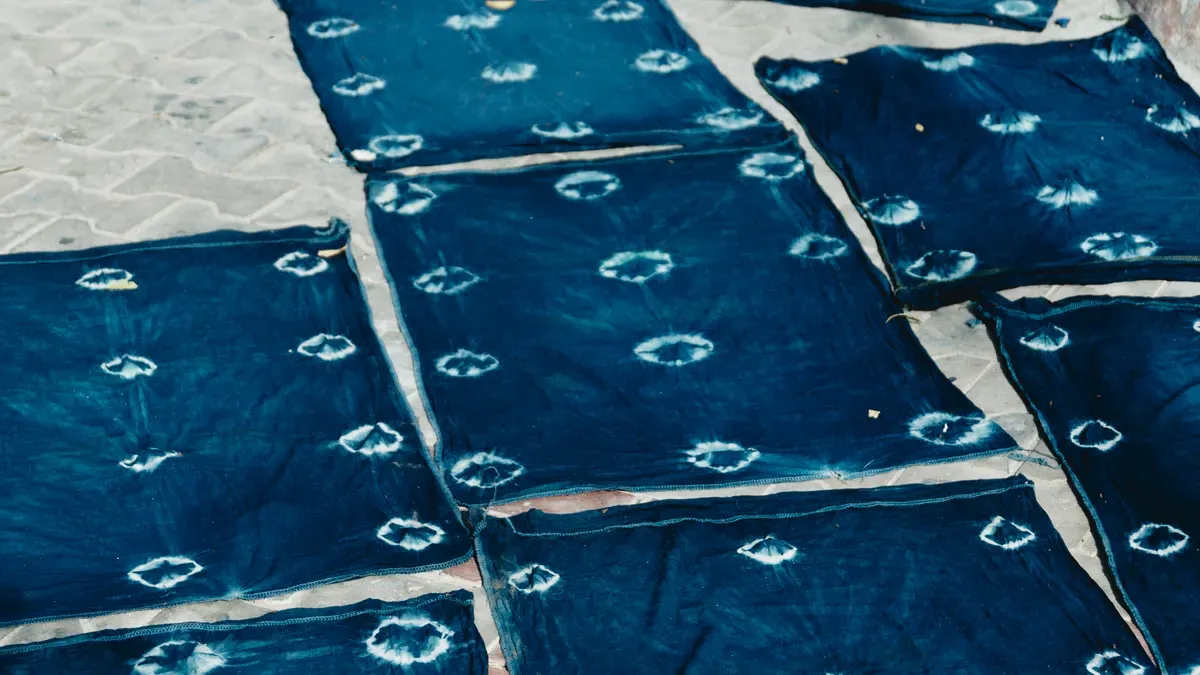
Image Source: pexels
Thickeners play a key role in the print process. You use thickeners to give the print paste the right thickness. This helps you control how the paste spreads on the fabric. If the paste is too thin, the color can bleed and blur the design. If it is too thick, the paste will not move well through the screen or block. Thickeners keep the color in place so your print stays sharp and clear.
You find thickeners in almost every print method. They help you get even results, no matter what fabric you use. You can choose natural thickeners like starch or gum, or synthetic ones for special needs. Thickeners make sure your print looks bright and the design stays true.
Tip: Always mix your thickener well to avoid lumps in the print paste.
Binders help you fix the color to the textile. When you use pigment printing, binders hold the color on the fiber. This keeps the print from washing out or rubbing off. You need binders for strong and lasting prints.
There are two main types of binders: water-based and solvent-based. Water-based binders keep the fabric soft. Solvent-based binders can make the fabric feel stiff. You must choose the right binder for your print methods and the feel you want in the final textile.
Here is a simple table to show how binders work in different print methods:
Print Method | Binder Type | Effect on Fabric |
|---|---|---|
Screen Printing | Water-based | Soft, flexible print |
Rotary Printing | Solvent-based | Strong, may be stiff |
Digital Printing | Special binders | Bright, smooth print |
Binders are important for color fastness. If you use too little, the print may fade. If you use too much, the fabric may feel hard. You need to find the right balance for the best results.
[Emulsifying agents help you mix] things that do not blend, like oil and water. In textile printing, you use these agents to make smooth print pastes. They keep all parts of the paste mixed so you get even color in every print.
You need emulsifying agents for some print methods, especially when you use oily or waxy ingredients. These agents stop the paste from separating. This means your print will look the same from start to finish.
Why use emulsifying agents?
They help you get smooth, even prints.
They stop color from separating in the paste.
They make your print methods more reliable.
You can find many types of printing auxiliaries in the textile printing glossary. Each one helps you get better prints and makes your work easier. When you know how thickeners, binders, and emulsifying agents work, you can choose the best tools for your print methods and get high-quality results every time.
Printing softeners help you make fabric feel soft after you print a design. When you use some print methods, the fabric can feel rough or stiff. Softeners fix this problem. They coat the fibers and make the surface smooth. You can use printing softeners with many types of fabric, like cotton or polyester. These softeners help the print stay flexible, so your clothes feel comfortable to wear.
You can find two main types of printing softeners:
Cationic softeners: Good for cotton and blends. They give a silky touch.
Silicone softeners: Work well for all fabrics. They make the print very soft and smooth.
Tip: Add printing softeners at the end of the print process for the best results.
Printing softeners also help stop cracks in the print when you stretch the fabric. This keeps your designs looking new for longer.
Antimigrants help you keep the print design sharp and clear. Sometimes, the color in the print paste can move or "migrate" to other parts of the fabric. This can make the edges of your design look blurry. Antimigrants stop this from happening. They hold the color in place during the print and drying steps.
You use antimigrants most often when you print with reactive or disperse dyes. These agents are important for large print runs, where you want every piece to look the same. Antimigrants help you get bright, clear lines and patterns.
Here is a quick list of what antimigrants do:
Stop color from spreading outside the print area
Keep lines and shapes sharp
Help with even color in big print jobs
Note: Always check the amount of antimigrant you use. Too much can affect how the print feels.
Crosslinking agents help you make the print last longer on the fabric. These agents form strong bonds between the print and the fibers. This means the design will not wash out or fade easily. You use crosslinking agents in the final step of the print process, often with heat.
There are different types of crosslinking agents. Some work best with pigment prints, while others help with special effects like glitter or puff prints. Crosslinking agents also help the print resist rubbing and washing.
Crosslinking Agent Type | Best Use | Benefit for Print |
|---|---|---|
Formaldehyde-free | Kids' clothing | Safe and strong |
Polyurethane-based | Sportswear prints | Flexible and durable |
Acrylic-based | General printing | Good wash resistance |
When you use crosslinking agents, you help your print stay bright and strong, even after many washes.
Finishing auxiliaries help you change fabric in many ways. You can make fabric softer or stiffer. You can make it brighter or safer. These agents help you meet what customers want. They make fabric comfortable, stylish, and useful. After finishing, fabric looks and works much better.
Here is a table that shows how finishing auxiliaries can change fabric properties:
Benefit | Description |
|---|---|
Enhanced Appearance | Makes fabric shiny, smooth, and look nice. |
Improved Performance | Adds things like wrinkle resistance, water repellency, and flame retardancy. |
Increased Durability | Makes fabric stronger and harder to damage. |
Comfort and Hygiene | Makes fabric soft and clean with antimicrobial properties. |
Softeners make fabric feel smooth and gentle. When you touch new clothes, they feel soft because of softeners. Most textiles use silicones as softeners. Silicones make fabric smooth, soft, and strong. You can use softeners on cotton, polyester, or blends. Softeners coat fibers and help them move easily. This makes fabric flexible and easy to wear.
You can pick different types of softeners:
Cationic softeners: Good for cotton and blends. They give a silky touch.
Silicone softeners: Work for all fabrics. They add smoothness and bounce.
Softeners also help stop static and make ironing easier. When you use softeners, your clothes feel nice and look good.
Tip: Pick the right softener for your fabric to get the best results.
Stiffeners make fabric firm and crisp. You use stiffeners for collars, cuffs, or home textiles. These agents give fabric shape and structure. You can use natural stiffeners like starch or synthetic ones for stronger effects.
Stiffeners form a thin layer on fabric. This layer keeps fibers in place and stops them from bending. You can change how stiff fabric feels by using more or less stiffener.
Use stiffeners for:
Tablecloths and curtains
Shirt collars and cuffs
Decorative items
Stiffeners help you make products neat and long-lasting.
Optical brighteners make fabric look whiter and brighter. These agents take in invisible ultraviolet light and give back blue light. This makes yellow or dull fabric look clean and fresh. You use optical brighteners for white shirts, bed sheets, or uniforms.
TIANKUN CHEM has Skywhite® Fluorescent Whitening Agent. This product makes fabric bright and glowing. It works well on cotton, polyester, and blends. You use it at the end of production to make fabric whiter.
Optical brighteners do not change how strong fabric is. They only change how the color looks to your eyes. When you use these agents, your fabric stands out and looks new longer.
Note: Always follow instructions for optical brighteners to keep results even.
Flame retardants make fabric safer from fire. You add them to fabric to slow burning. When heated, they form a barrier. This barrier stops fire from spreading fast. You use flame retardants for clothes, curtains, and furniture. They protect people in schools, hospitals, and homes.
There are different flame retardants. Some release water vapor. Others make a protective layer on fabric. You must follow safety rules when using them. Always check instructions for the right amount and method.
Tip: Flame retardants help fabric meet fire safety rules in public places.
Here is a table showing where flame retardants are used:
Application | Why Use Flame Retardants |
|---|---|
Workwear | Protect workers from fire |
Home textiles | Make curtains and sofas safer |
Children’s clothing | Keep kids safe |
Water repellents keep fabric dry. You use them to make water roll off fabric. They form a thin layer that stops water from soaking in. This makes fabric good for raincoats, umbrellas, and outdoor gear.
You can use water repellents on cotton, polyester, or blends. Some use silicone. Others use fluorine-based chemicals. Pick the right type for your fabric and use. Water repellents protect fabric from stains and dirt.
Water repellents:
Keep fabric dry in wet weather
Stop stains from liquids
Make cleaning easier
Note: Test water repellents on a small piece of fabric first.
Antimicrobial agents keep fabric clean and fresh. They stop germs, bacteria, and mold from growing. You use them for hospital linens, sportswear, and bedding. They help protect health and hygiene.
Some antimicrobial agents use silver, copper, or special chemicals. They break down germs on fabric. Follow instructions to get the best results. Antimicrobial agents help fabric stay odor-free and safe.
Here is a quick list of benefits:
Stop bacteria and mold from growing
Keep fabric smelling fresh
Protect health in hospitals and homes
Tip: Antimicrobial agents help fabric last longer and stay clean.
You use flame retardants, water repellents, and antimicrobial agents to make fabric safer, more comfortable, and cleaner. These finishing auxiliaries help you meet customer needs and make fabric work better in many places.
The textile auxiliaries glossary helps you learn about special chemicals. These chemicals make textile production faster and easier. You can find many functional and specialty agents in this glossary. These agents fix problems and make fabric better than basic chemicals. Technical textiles are needed in cars and buildings. So, the need for specialty auxiliaries keeps growing. The global market for specialty textile auxiliaries may reach US$ 16.6 billion by 2032. This shows these products are very important for modern factories.
Here are some main groups in the textile auxiliaries glossary:
Pretreatment chemicals: These include desizing agents, scouring agents, and bleaching agents.
Dyeing chemicals: You use leveling agents, fixing agents, and sequestering agents.
Printing chemicals: Thickeners, binders, and fixers help you get sharp prints.
Finishing chemicals: Softeners, water repellents, and antimicrobial finishes improve the final fabric.
Chelating agents help you take away metal ions from water and fabric. Metal ions like calcium or magnesium can cause stains or make dyes not work well. When you add chelating agents, they grab the metal ions and stop them from reacting with other chemicals. This step helps you get even color and stops spots on your fabric. You often use chelating agents when washing, scouring, or dyeing. They are important in your textile auxiliaries glossary because they protect your fabric and keep your process smooth.
Tip: Using chelating agents helps you avoid hard water problems and keeps your colors bright.
Buffers help you control the pH in dye baths and other chemical steps. If the pH changes too much, dyes may not work right or fabric could get damaged. Buffers keep the pH steady so you get good results every time. You can use buffers with many dyes and fibers. They are important for making sure your colors come out as planned. Buffers are a key part of the textile auxiliaries glossary because they help you avoid surprises and keep your production on track.
Buffers:
Keep pH levels stable
Help dyes react properly
Protect fabric from damage
Lubricants help fibers and yarns move easily during spinning, weaving, or knitting. When you use lubricants, you lower friction and stop fibers from breaking or getting tangled. This means machines run better and fabric feels smoother. Lubricants also help you avoid static electricity, which can cause problems in production. You will find lubricants in the textile auxiliaries glossary because they help you make high-quality textiles with fewer defects.
Note: Lubricants are very helpful when working with delicate or synthetic fibers.
The textile auxiliaries glossary gives you tools to pick the right specialty chemicals for every step in textile production. By learning about chelating agents, buffers, and lubricants, you can make your fabrics stronger, brighter, and more reliable. Use this glossary as your guide for better results in every project.
Surfactants help you mix things that do not usually blend, like oil and water. You use surfactants in many steps of textile production. They lower the surface tension of liquids. This means water can spread and soak into fabric more easily. Surfactants help you clean, dye, and finish textiles.
You can find four main types of surfactants:
Anionic surfactants: These work well for cleaning and removing dirt.
Cationic surfactants: You use these for softening and antistatic effects.
Nonionic surfactants: These are gentle and work in many conditions.
Amphoteric surfactants: These can act as both positive and negative, so they are very flexible.
Tip: Surfactants help you get even dyeing and stop stains from sticking to fabric.
Surfactants play a big role in the textile auxiliaries glossary. They help you get better results in scouring, bleaching, dyeing, and finishing. When you pick the right surfactant, you make your process smoother and your fabric cleaner.
Defoamers help you control foam in your machines and dye baths. Foam can cause problems in textile production. It can stop fabric from moving smoothly. It can also make it hard for you to see what is happening in the bath.
You add defoamers to break up bubbles and stop new foam from forming. This keeps your machines running well and your fabric free from marks. Defoamers work fast and do not leave residue on the fabric.
Here is a quick table to show how defoamers help:
Problem | How Defoamers Help |
|---|---|
Too much foam | Break up bubbles quickly |
Poor fabric flow | Keep fabric moving freely |
Stains from foam | Prevent marks and spots |
You can use defoamers in dyeing, printing, and finishing. They help you save time and avoid costly mistakes. Defoamers are an important part of the textile auxiliaries glossary because they keep your process under control.
Sizing agents help you protect yarns during weaving. When you weave, yarns rub against each other and the machine. This can cause them to break or fray. Sizing agents coat the yarns and make them stronger.
You use sizing agents to give yarns a smooth surface. This helps them move easily through the loom. Sizing agents also help you get even fabric with fewer defects.
There are different types of sizing agents:
Starch-based: These are natural and easy to remove.
Synthetic: These give extra strength and work well for tough jobs.
Note: Always remove sizing agents after weaving. This step helps your fabric stay soft and ready for dyeing.
Sizing agents play a key role in the textile auxiliaries glossary. They help you make strong, smooth fabric and keep your machines running well. When you use the right sizing agent, you get better quality and higher production speed.
Fastness tells you how well color stays on fabric. When you wash, rub, or expose fabric to sunlight, you want the color to last. Fastness measures this strength. You can check fastness in different ways, such as wash fastness, light fastness, and rub fastness. Each type shows how color reacts to daily use.
If you want your garment to look new for a long time, you need high fastness. For example, uniforms and sportswear need strong color that does not fade. Fastness depends on the dye, the fiber, and the chemicals you use. When you choose dyes and auxiliaries, always check their fastness ratings. This helps you make fabric that meets customer needs.
Tip: High fastness means your fabric keeps its color after many washes and wears.
Exhaustion is a key word in dyeing. It tells you how much dye moves from the dye bath into the fabric. High exhaustion means most of the dye leaves the water and goes into the fabric. Low exhaustion means a lot of dye stays in the water.
You want high exhaustion for good color and less waste. When you reach high exhaustion, you save money and protect the environment. You also get even color on your fabric. Different dyes and fibers have different exhaustion rates. For example, disperse dyes for polyester often reach high exhaustion at high temperatures.
Here is a simple table to help you understand exhaustion:
Dye Type | Typical Exhaustion Rate | Best Use |
|---|---|---|
Reactive | High | Cotton, blends |
Disperse | High | Polyester, synthetics |
Acid | Medium | Wool, nylon |
Direct | Low to Medium | Cellulosic fibers |
You can improve exhaustion by using the right auxiliaries and keeping the dye bath at the best temperature and pH.
Reduction clearing is a special step you use after dyeing synthetic fibers, like polyester. This process removes extra dye that did not go into the fabric. You use chemicals called reducing agents to wash away loose dye from the surface.
If you skip reduction clearing, leftover dye can rub off or fade. This makes the fabric look dull or uneven. When you do reduction clearing, you get bright, clean colors that last longer. This step is important for high-quality textile production.
Note: Always follow safety rules when handling reducing agents. They help you get the best results and keep your fabric safe for use.
Reduction clearing helps you make fabric that meets high standards for color and durability. You see this step often in factories that make sportswear, uniforms, and other items that need strong, lasting color.
Shade matching helps you get the same color on all fabric pieces. You need this skill so your products look the same. If you dye fabric in batches, the color might change. You must check each batch and compare it to a sample. Tools like light boxes and color charts help you see small changes.
You can follow these steps for shade matching:
Pick a standard color sample.
Dye a small piece and compare it to the sample.
Change the dye recipe if the color does not match.
Keep trying until the fabric matches the sample.
Tip: Check shade matching in different lights. Colors can look different in sunlight and inside.
Shade matching is important for uniforms, home textiles, and fashion. If you do it well, your fabric will look neat and the same.
Oeko-Tex Standard 100 is a safety label for textiles. When you see this label, the fabric has been tested for bad substances. You can trust the fabric is safe for skin. Factories must follow strict rules to get this label. They test for chemicals like pesticides, heavy metals, and formaldehyde.
Here is a table showing what Oeko-Tex Standard 100 checks:
Test Item | Why It Matters |
|---|---|
Harmful chemicals | Keeps fabric safe |
Color fastness | Stops color from fading |
pH value | Protects your skin |
If you want to sell fabric in many countries, you need this standard. Customers look for this label when buying clothes, bedding, or baby items. Oeko-Tex Standard 100 helps you make fabric that is safe and trusted.
Sustainability means you protect nature while making textiles. You pick chemicals and ways that do not hurt the planet. Many factories use [eco-friendly auxiliaries] now. These products help save water, energy, and cut waste.
You can make your fabric more sustainable by:
Using biodegradable chemicals
Recycling water during dyeing
Picking auxiliaries that work at lower heat
Note: Sustainable auxiliaries help you meet green rules and attract eco-friendly customers.
Sustainability also means you care about workers and the community. You follow safety rules and cut pollution. When you use sustainable auxiliaries, your fabric helps keep the planet clean. This makes your products better for people and nature.
Let’s look at how TIANKUN CHEM helped a dye trader in Morocco. The trader wanted better polyester prints and needed fast help. After using TIANKUN CHEM’s dyes, things got better. The polyester prints looked brighter and the color was even. The trader got answers to questions much faster, which made work easier. Using the right dyes meant there were fewer mistakes when printing. Customers started to trust the products more.
Here is a table that shows what changed:
Key Outcome | Explanation |
|---|---|
Improved Product Quality | The prints on polyester became brighter and more uniform. |
Faster Response Time | The support team provided quick answers to queries. |
Reduced Printing Errors | Suitable disperse dyes led to fewer mistakes. |
This story shows that picking the right partner helps you get better results. It also helps you build trust with your customers.
You want your products to be high quality. TIANKUN CHEM checks dyes and auxiliaries in special labs before sending them out. This means you get products that work well and keep fabric looking nice. The team also works on new ideas, so you can use the latest solutions. TIANKUN CHEM’s focus on new ideas helps you fix problems fast. You can count on their products for bright colors and strong fastness. The company follows world rules and keeps making things better. This helps you stay ahead in textiles.
Note: When you use TIANKUN CHEM products, you support both quality and new ideas in your business.
TIANKUN CHEM can help you no matter where you are. The company has teams in different countries, like Vietnam, who can visit your factory and help you fix problems. You can order small amounts or ask for samples quickly. This makes it easy to try new products.
TIANKUN CHEM gives you:
Local help and factory visits to solve problems.
Flexible order sizes and fast samples for your needs.
Many dyes and auxiliaries for different fibers and uses.
Products that meet world safety and green standards.
You can trust TIANKUN CHEM to help you make better textiles and meet your customers’ needs everywhere.
You can use this glossary to help you with textile work. It is a trusted guide for making fabric. Auxiliaries are chemicals that help you make better fabric. They also help you work faster and easier at every step. These chemicals let you add special features to fabric. They help you save water and use less dye. If you want more tips about eco-friendly ways, go to TIANKUN CHEM’s website. You can also share your ideas or suggest new words to help others learn.
Textile auxiliaries are chemicals you use to help with dyeing, printing, and finishing fabric. They make your work easier and improve the quality of textiles.
Leveling agents help you get even color on fabric. They stop streaks and patches. You use them to make sure every part of the fabric looks the same.
You need to know the type of fiber. For polyester, you use disperse dyes. For cotton, you use reactive dyes. Always check the dye’s fastness and safety.
Yes. TIANKUN CHEM products meet environmental standards. You can use them to make textiles that are safe for people and nature.
Softeners make fabric smooth and flexible. Stiffeners give fabric shape and firmness. You pick one based on how you want the fabric to feel.
You add antifoaming agents or defoamers. These break up bubbles and keep the dye bath clear. This helps you avoid stains and get even color.
No. You need to match the auxiliary to the fiber and process. Some work best for cotton, others for polyester or blends. Always read the instructions.
You can contact TIANKUN CHEM for advice, samples, or technical support. Visit TIANKUN CHEM’s website for more information.